Settings
Change Keyboard Language Windows 11: Add, Switch and Remove
Written by Windows 11 Field Guide Editorial Team · Updated
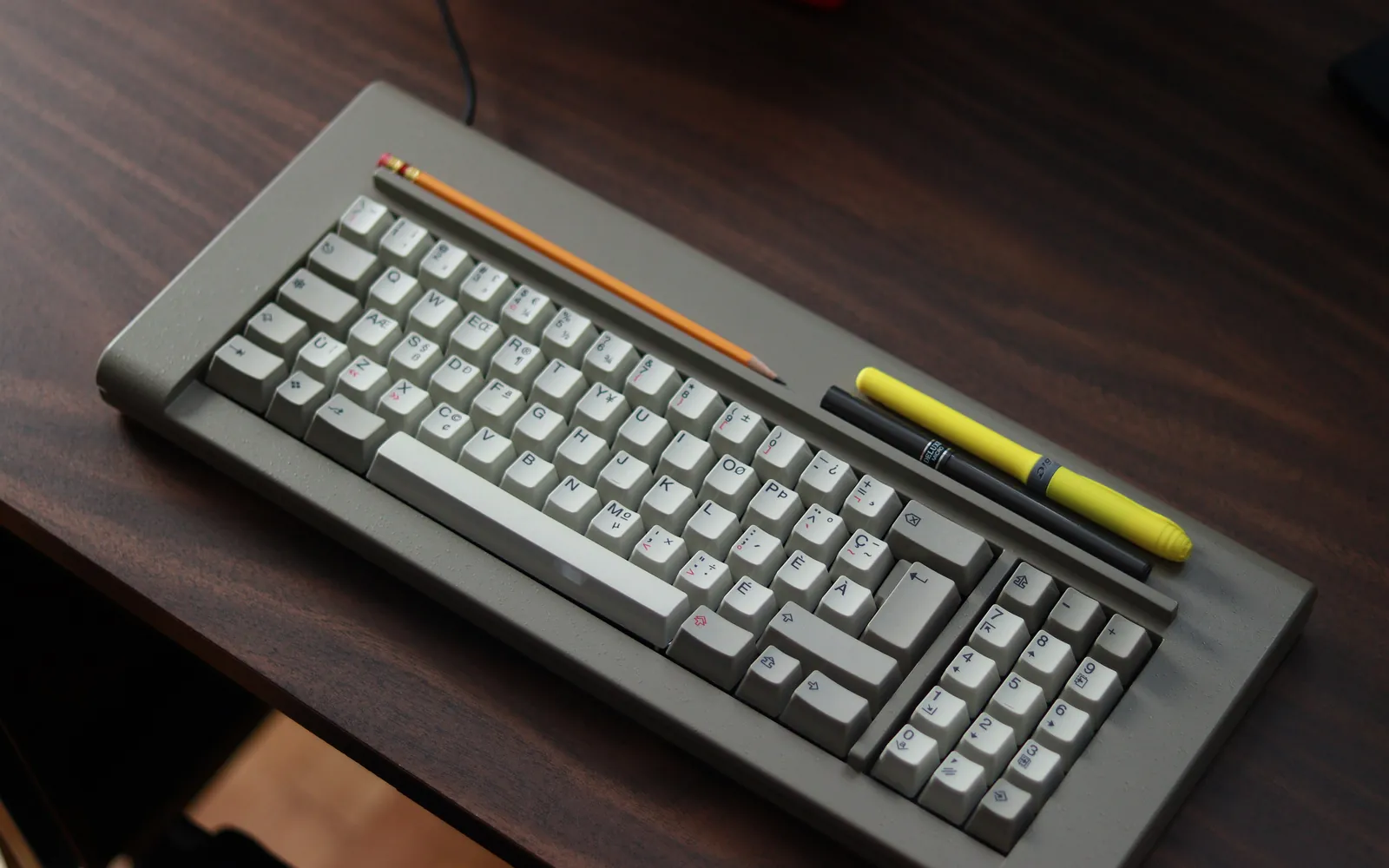
You press the @ key and get a quotation mark, or Y and Z have swapped places. Nine times out of ten, Windows has switched to a different keyboard layout. Whether you need to type in a second language or just want the wrong layout gone, it is easy to change keyboard language in Windows 11 from Settings. This guide covers adding a layout, switching between layouts, removing the ones you never use, and stopping Windows from switching on its own.
The steps apply to Windows 11 version 24H2, 25H2 and 26H2, on Home and Pro.
Keyboard layout vs display language
Two settings are easy to mix up:
| Setting | What it changes | Where |
|---|---|---|
| Keyboard layout (input method) | Which character each key types | Language options > Keyboards |
| Windows display language | The language of menus, Settings and messages | Language & region > Windows display language |
You can have English menus with a French or Spanish keyboard layout, or the reverse. Most “keyboard language” problems are about the layout, not the display language.
Add a keyboard layout
Microsoft’s steps:
- Select Start > Settings > Time & language > Language & region.
- Under Language, select the ellipses (…) next to your Windows display language and choose Language options.
- Under Keyboards, check whether the layout is already listed. If not, select Add a keyboard next to Installed keyboards.
- Pick the layout from the list.
If the layout you want is not in the list, Microsoft suggests starting again but choosing the language that matches the layout (for example, add Spanish under Preferred languages to get the Spanish keyboard). If that language is not installed, select Add a language first. You can untick the language pack and handwriting options during installation if you only want the keyboard.
A common case is a physical keyboard bought in another country, for example a UK laptop used with a US layout. Pick the layout printed on the keys, otherwise symbols such as @, ” and # end up in the wrong places.
Switch between layouts
Once two or more layouts are installed, Microsoft documents two ways to switch:
- Keyboard shortcut: hold the Windows key and press Spacebar. Each press of Spacebar while holding Windows cycles through the installed layouts.
- Taskbar: select the input language indicator (for example ENG or ESP) at the right end of the taskbar and choose a layout from the list.
Many PCs also respond to Left Alt + Shift, an older shortcut that switches input language. That is the one most often pressed by accident.
Remove a keyboard layout you do not use
Removing extra layouts is the easiest way to stop accidental switching.
- Go to Start > Settings > Time & language > Language & region.
- Select the ellipses next to the language that holds the keyboard, then Language options.
- Under Keyboards, select the ellipses next to the layout and choose Remove.
Microsoft notes that if Remove is greyed out, that layout is the only one installed for the current display language. Add the layout you want first, then remove the old one. Some layouts are attached to a different language in the list, so check every language under Preferred languages.
Stop the layout from changing by itself
If the layout keeps changing:
- Remove layouts you do not use (above). With only one layout, there is nothing to switch to.
- Change the shortcut. Go to Settings > Time & language > Typing > Advanced keyboard settings and select Input language hot keys. In the dialog that opens, select Change Key Sequence and set the switch shortcuts to Not Assigned if you never use them.
- Choose a default. On the same Advanced keyboard settings page, Override for default input method lets you pick which layout Windows uses by default.
- Per-app layouts. The option Let me use a different input method for each app window makes Windows remember a layout per app. Turn it off if you want one layout everywhere.
Microsoft’s page also mentions the desktop language bar setting on Advanced keyboard settings: if the input indicator has vanished from the taskbar, clearing Use the desktop language bar when it’s available brings it back.
Change the Windows display language
If you want menus and Settings in another language:
- In Language & region, make sure the language is installed (add it with Add a language if not).
- Choose it in the Windows display language drop-down.
- Sign out when Windows asks. Microsoft explains that Windows needs to sign you out to apply the new display language.
Microsoft warns that changing the display language might also change the keyboard layout to match. Before signing out, check that you know which layout your password will be typed with.
Password not accepted after a language change
At the sign-in screen:
- Select the eye icon in the password box to see what you are actually typing, as Microsoft suggests.
- Select the input indicator in the corner of the sign-in screen and switch to the layout you normally use. This only changes the layout, not the display language.
- If you sign in with a PIN, number keys are less affected, which is one reason a Windows Hello PIN is handy.
If you really cannot get in, see Windows 11 forgot password.
When the keyboard itself is the problem
If keys do nothing, repeat, or type the wrong characters with only one layout installed, the problem is the keyboard or its driver, not the language setting. The On-Screen Keyboard (search for On-Screen Keyboard in Start) lets you type while you troubleshoot. Our Windows 11 keyboard not working guide covers drivers, Filter Keys and hardware checks. For regional formats such as date and currency, see Windows 11 time and language settings.
Frequently asked questions
How do I change the keyboard language in Windows 11?
Add the layout in Settings > Time & language > Language & region, under your language's Language options, then switch to it with Windows key + Spacebar or the language icon on the taskbar.
Why does my keyboard language keep changing?
Usually because more than one layout is installed and a shortcut such as Windows key + Spacebar or Left Alt + Shift switches between them. Remove layouts you do not need, or change the shortcut in Advanced keyboard settings.
Why can't I remove a keyboard layout?
Microsoft says Remove is greyed out when that layout is the only one installed for the current display language. Add the layout you want first, then remove the old one.
Does changing the keyboard layout change the Windows language?
No. Keyboard layouts only change what your keys type. Menus and Settings follow the Windows display language, which is a separate setting on the same page.
My password stopped working after changing languages. What happened?
The sign-in screen may be using a different layout. Microsoft suggests checking with the password reveal icon and switching layout with the input icon on the sign-in screen.
Sources
Windows 11 Field Guide Editorial Team
Editorial team
The Windows 11 Field Guide team writes and updates independent Windows 11 guides and checks each step against Microsoft's documentation and the current Settings app.